

Low water pressure makes everyday tasks harder than they should be. Showers feel weak, washing machines take longer to fill, and sinks become frustrating to use. The cause may be simple, like a clogged aerator, or more serious, like a hidden leak, failing pressure regulator, or old supply piping.
The key is to figure out whether the issue is isolated to one fixture, one part of the house, or the whole plumbing system. That tells you whether you are dealing with a small maintenance problem or a larger repair issue.
Start by narrowing down the pattern
Before replacing anything, pay attention to where the problem shows up.
Only one faucet or shower has low pressure
If one fixture is affected and the rest of the house seems normal, the problem is often local.
Common causes include:
- A clogged faucet aerator
- Mineral buildup in a showerhead
- A partially closed stop valve under the sink
- Debris stuck in a fixture cartridge or supply line
This is the best-case scenario because the fix is usually quick.
Only hot water has low pressure
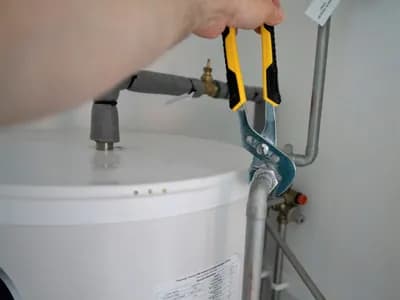
If cold water pressure is normal but hot water pressure is weak, look toward the water heater side of the system.
Possible causes include:
- Sediment buildup in the water heater
- A partially closed valve on the hot side
- A problem with a recirculation or mixing component
- Scale buildup affecting hot-water fixtures first
The whole house has low pressure
When every fixture is weak, you are likely dealing with a system-wide issue.
That may include:
- A partially closed main shutoff
- A failing pressure reducing valve
- Hidden water loss somewhere in the home
- Corroded galvanized piping
- Municipal supply problems
Common causes of low water pressure
Mineral buildup
Hard water leaves scale behind over time. Aerators, showerheads, cartridges, and narrow fixture passages are often the first places where buildup shows up.
Pressure reducing valve problems
Many homes have a pressure reducing valve, also called a PRV, on the main line. When it begins to fail, pressure can drop suddenly or fluctuate throughout the day.
Hidden plumbing leaks
If water is escaping behind a wall, under a floor, or underground, pressure can drop while your water bill rises. Leaks also create secondary problems such as mold, staining, or warped flooring.
Aging pipe material
Older galvanized steel lines can corrode internally and narrow over time. In that case, the issue is not one clog. The issue is the pipe itself slowly closing off from the inside.
Utility-side issues
Sometimes the problem is outside the home. Nearby water main work, temporary service interruptions, or neighborhood demand spikes can all affect pressure.
Practical checks a homeowner can do
You do not need to guess. A few simple checks can point you in the right direction.
Check multiple fixtures
Turn on a bathroom sink, kitchen faucet, and shower. If only one location is weak, start there. If all of them are weak, keep moving upstream through the system.
Check neighbors or nearby properties
If nearby homes are experiencing the same issue, the municipal supply may be the cause. That does not fix the problem, but it prevents unnecessary work inside your home.
Check visible valves
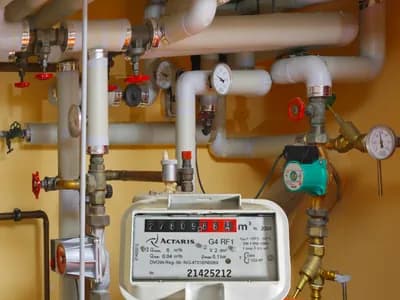
Make sure the main shutoff valve is fully open. Also inspect stop valves under sinks, behind toilets, and near the water heater.
Look at the water meter
Turn off all water-using fixtures and appliances. If the water meter is still moving, hidden leakage may be present.
Clean the easiest fixtures first
Unscrew faucet aerators and showerheads and look for grit or mineral buildup. In many homes, that one step restores pressure at the fixture.
When low pressure turns into a bigger repair
Some pressure issues are maintenance. Others point to real system problems that need a plumber.
Call for service if:
- Pressure dropped suddenly across the whole house
- Pressure is low and your water bill increased
- You hear water running inside walls
- Staining, bubbling paint, or musty odors are showing up
- You have older galvanized lines and pressure has declined gradually over time
- Your PRV is suspected and you are not equipped to test or replace it
In cabins, rentals, and older homes around Sevier County, low pressure can also be tied to freeze damage, long pipe runs, sediment, or deferred maintenance. That is why the pattern matters more than the symptom alone.
What a plumber will usually test
A plumbing inspection for low water pressure often includes:
- Pressure testing at the house
- Valve and regulator inspection
- Fixture flow comparison
- Leak investigation
- Pipe material assessment
- Water heater review if hot-side pressure is involved
That process helps separate a one-fixture problem from a whole-house plumbing issue.
Final takeaway
Low water pressure is not one problem. It is a symptom with several possible causes. Start by identifying whether the issue is isolated, hot-side only, or system-wide. Clean obvious fixture restrictions first, but do not ignore signs of leakage, valve failure, or aging pipes.
If your home in Sevierville, Gatlinburg, or Pigeon Forge has persistent low water pressure, Plumber in a Box can diagnose the cause and recommend the right repair instead of guessing.