

A plumbing emergency kit is not about doing full repairs yourself. It is about buying time. When a leak starts, a toilet backs up, or a supply line lets go, the first few minutes matter most. If you can shut water off quickly, protect the area, and contain damage, you reduce the cost and stress of the repair that comes next.
Many homeowners have flashlights, batteries, and storm supplies, but very few keep basic plumbing response items in one place. That is a mistake. Plumbing problems often happen early in the morning, late at night, or while guests are in the house. In cabins and rentals around Sevierville, Gatlinburg, and Pigeon Forge, fast action matters even more because a small water problem can become a large cleanup job before maintenance arrives.
The most important item is not a tool
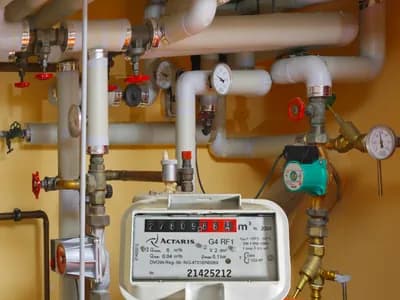
Before you buy anything else, know where your main water shutoff valve is and make sure everyone responsible for the home knows how to use it.
That single step matters more than any wrench, tape, or plunger. A kit helps you respond, but the shutoff limits the damage.
If you have never tested the shutoff:
- Find it in advance
- Make sure it turns
- Label it clearly if needed
- Show household members or property managers where it is
If the valve is stuck, corroded, or difficult to reach, that is a maintenance issue worth correcting before an emergency happens.
Core tools to keep in the kit
You do not need a full plumbing shop. You need a small group of tools that help with shutoff, access, and containment.
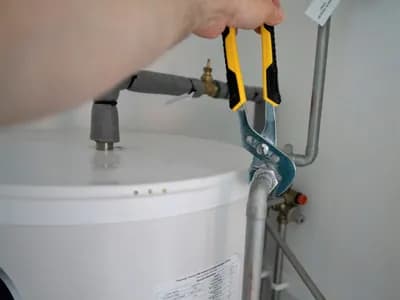
Adjustable pliers
A solid pair of adjustable pliers helps with supply line nuts, shutoff valves, and basic fixture connections. They are more practical for most homeowners than carrying several specialized tools.
Flange plunger
A toilet plunger should always be part of the kit. A flange plunger is shaped to seal properly inside a toilet drain and works better than a flat sink plunger for bathroom backups.
Bucket
Buckets catch drips, trap water when disconnecting supply lines, and hold wet rags during cleanup. They are simple, but they get used constantly during plumbing problems.
Flashlight or headlamp
Leaks often happen in cabinets, crawl spaces, utility closets, or basements with poor lighting. A headlamp is especially useful because it keeps both hands free.
Gloves
Use gloves that can handle dirty water, wet materials, and sharp edges under sinks or around damaged fixtures.
Supplies that help control water damage
The biggest cost in a plumbing emergency is often not the pipe or fixture. It is the water damage that spreads after the plumbing failure. Your kit should help control that spread.
Keep these items together:
- Absorbent towels or shop rags
- A wet/dry vacuum if you have one
- Heavy-duty trash bags
- Plastic sheeting for temporary surface protection
- A small roll of painter's tape or duct tape
These items help protect floors, cabinets, trim, and stored belongings while you wait for service.
Temporary plumbing repair items that are actually useful
Not every temporary repair product belongs in a homeowner kit. Focus on items that are simple and realistic.
PTFE thread tape
Useful for threaded shower arms, supply line connections, and other small threaded fittings that need to be reassembled correctly.
Silicone self-fusing repair tape
This can sometimes slow a pinhole spray or small crack long enough to reduce damage until the real repair is made. It is not a permanent fix, but it can be valuable in a true emergency.
Pipe repair clamp
A clamp with a rubber backing can temporarily cover a small damaged section on accessible pipe. It will not fix major splits or failed joints, but it can buy time.
Epoxy putty
Epoxy putty is useful in limited situations on dry, accessible surfaces. It is not appropriate for every material or every leak, but it can help with certain small exterior cracks as a temporary measure.
Items people forget but should not
Some of the most helpful things in an emergency are not traditionally labeled as plumbing tools.
Spare batteries and charger access
If the power goes out during a storm or freeze, you still need light and phone access.
Emergency contact sheet
Keep important numbers together in one place:
- Emergency plumber
- Utility provider
- Property manager if applicable
- Insurance carrier
Do not rely on finding numbers while standing in water with a low phone battery.
Notebook or phone checklist
Write down what to do first:
- Shut off water
- Protect electrical safety
- Move belongings
- Take photos if damage is visible
- Call for service
That kind of checklist prevents bad decisions when people are stressed.
What should not be in a homeowner emergency kit
Some items create more risk than value for non-professionals.
Avoid depending on:
- Open-flame thawing tools
- Harsh chemical drain cleaners
- Specialty gas-line tools
- Anything that encourages opening walls or disassembling major plumbing components during an emergency
The goal is control and containment, not risky improvisation.
Where to store the kit
The best emergency kit in the world does not help if it is buried in a garage cabinet.
Store it:
- In a utility room
- Near the water heater
- In a clearly labeled tote
- Somewhere adults in the house can reach quickly
If you manage multiple properties, each property should have its own kit. Do not assume staff or guests can respond effectively without supplies onsite.
A practical version for cabins and rentals
Short-term rentals need a slightly different approach. Consider including:
- Clear shutoff instructions
- Property address and unit identifier
- Owner or manager contact information
- Extra towels for emergency containment
- A visible note telling guests not to keep flushing a backed-up toilet or keep using drains during an overflow
Even if guests never use the kit directly, the instructions help them make fewer costly mistakes before help arrives.
Final takeaway
A plumbing emergency kit does not replace professional repair, but it gives you a better first response. The real goal is to stop water, reduce damage, and buy time until the right plumber gets there.
If you want help preparing your home or rental property for common plumbing emergencies in Sevierville, Gatlinburg, or Pigeon Forge, Plumber in a Box can inspect shutoffs, identify weak points, and help you stay ready before the next leak starts.