<div class="lead-text">
<p>As temperatures drop, the water in your pipes can freeze, expand, and potentially cause a burst pipe, leading to catastrophic water damage. Pipe insulation is a simple, inexpensive preventive measure that protects your plumbing and offers other benefits year-round.</p>
</div>
<h2 class="section-title">Key Benefits of Insulating Pipes</h2>
<p>Insulation does more than just prevent freezing.</p>
<div class="benefits-grid">
<div class="benefit-card">
<h4>Freeze Prevention</h4>
<p>The primary benefit is preventing water from freezing inside pipes located in unheated areas like basements, crawl spaces, and attics.</p>
</div>
<div class="benefit-card">
<h4>Energy Savings</h4>
<p>Insulating hot water pipes reduces heat loss, so your water heater doesn't have to work as hard. This can save you money on energy bills.</p>
</div>
<div class="benefit-card">
<h4>Condensation Control</h4>
<p>On cold water pipes, insulation prevents "sweating" during humid months, which helps control moisture and prevent mold growth.</p>
</div>
<div class="benefit-card">
<h4>Noise Reduction</h4>
<p>Insulation can help dampen the noise of running water, leading to a quieter home.</p>
</div>
</div>
<h2 class="section-title">Types of Pipe Insulation</h2>
<p>The most common type for DIY projects is foam pipe insulation.</p>
<div class="feature-list">
<div class="feature-item">
<span class="feature-icon">🧽</span>
<div><strong>Foam Sleeves:</strong> These are flexible tubes, often with a slit down the side and self-sealing adhesive. They are inexpensive and very easy to install.</div>
</div>
<div class="feature-item">
<span class="feature-icon">🧶</span>
<div><strong>Fiberglass Insulation:</strong> This type is more rigid and often used by professionals for high-temperature pipes, but it's less common for residential DIY.</div>
</div>
</div>
<h2 class="section-title">How to Install Foam Pipe Insulation</h2>
<p>This is a straightforward DIY project that can be completed in an afternoon.</p>
<div class="step-list">
<div class="step-item">
<span class="step-number">1</span>
<div><strong>Measure Your Pipes:</strong> Measure the diameter of your pipes (most homes have 1/2-inch or 3/4-inch pipes) and the total length you need to cover.</div>
</div>
<div class="step-item">
<span class="step-number">2</span>
<div><strong>Purchase Materials:</strong> Buy the correct size foam sleeves. Get a few extra feet just in case.</div>
</div>
<div class="step-item">
<span class="step-number">3</span>
<div><strong>Cut to Length:</strong> Use scissors or a utility knife to cut the foam sleeves to fit the lengths of your exposed pipes.</div>
</div>
<div class="step-item">
<span class="step-number">4</span>
<div><strong>Install the Sleeves:</strong> Open the slit on the foam sleeve and snap it over the pipe. If it has an adhesive strip, peel the backing and press it firmly to seal the seam.</div>
</div>
<div class="step-item">
<span class="step-number">5</span>
<div><strong>Secure Corners:</strong> For corners and T-joints, miter-cut the ends of the sleeves at a 45-degree angle to create a snug fit. Use duct tape or cable ties to secure any loose ends.</div>
</div>
</div>
<blockquote class="quote">
<p>Don't forget to insulate pipes in hard-to-reach areas like crawl spaces, as these are often the most vulnerable to freezing temperatures.</p>
</blockquote>
<div class="cta-box">
<p>If you're unsure which pipes need insulation or if you have hard-to-reach plumbing, let the professionals handle it. Plumber in a Box offers comprehensive winterization services to keep your home safe all season long.</p>
</div>

★Sevierville, Pigeon Forge, and Gatlinburg★
Plumber in a Box
Pipe Insulation: Protecting Your Plumbing in Winter
Prevent frozen pipes and reduce energy costs with proper pipe insulation techniques for cold weather.


Booking
Reserve a visit
Step 1 of 3
Select the service typeStart with the closest plumbing category
April 10, 2025
•Plumbing Team
•5 min read
Related articles
Keep reading in the sameservice topic.
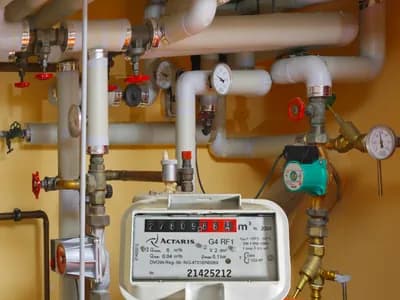
Winterization and Frozen Pipes
Preventing Frozen Pipes: A Complete Winter Guide
Essential tips to protect your plumbing system during cold weather and prevent costly frozen pipe damage.
5 min read
Local Plumbing Guides
Bathroom Ventilation: Preventing Moisture Problems
Importance of proper bathroom ventilation and how it protects your plumbing and home structure.
4 min read
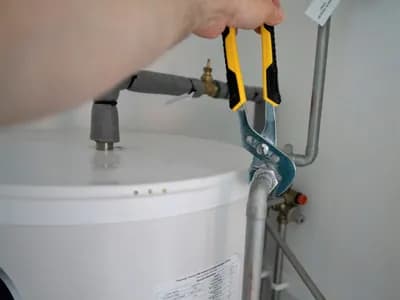
Leaks and Pipe Problems
Plumbing Leak Detection: Finding Hidden Water Leaks
How to spot hidden plumbing leaks in Sevierville-area homes and when to call for leak detection before water damage gets worse.
5 min read
Final call
Need a plumberup in the Smokies?
Book plumbing service directly here for homes, cabins, and rental properties across the Smokies, or call if you want to talk through the job first. From leak repairs and drain issues to water heaters and everyday service calls, the schedule is built to handle real property details cleanly.
Booking
Reserve a visit
Step 1 of 3
Select the service typeStart with the closest plumbing category